
Disposable Tech: Why Our Devices Are Built to Die Young
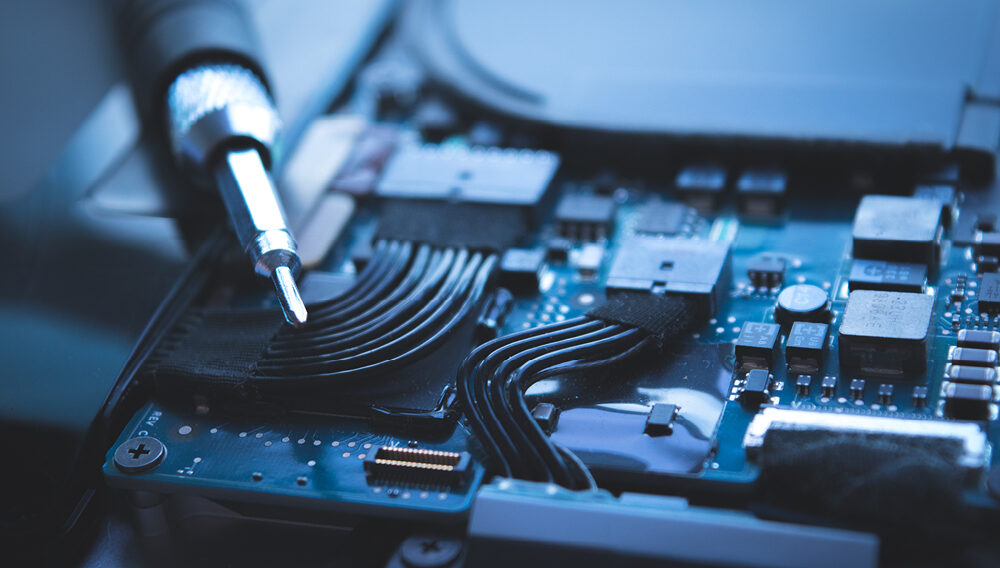
Your phone didn’t suddenly slow down because you’re clumsy. Your laptop didn’t grind to a halt out of bad luck. That “end of support” email from your IT vendor didn’t arrive because the hardware wore out.
This isn’t bad fortune. It’s business strategy.
For decades, technology companies leaned on planned obsolescence — designing products with shorter lifespans so you’d buy replacements more often. But the game has evolved. Today, the more insidious force isn’t hardware failure. It’s forced deprecation: the deliberate cutting off of software, firmware, or repairability that makes perfectly functional devices unusable.
In other words, it’s not just that your tech wears out faster. It’s that the industry has built a system where you’re not allowed to keep it alive.
Planned Obsolescence Was Just the Beginning
Planned obsolescence is as old as consumerism. Automakers were infamous for it in the 20th century, rolling out cosmetic tweaks every year so last year’s model looked dated even if it still ran fine. Electronics followed the same path: sealed batteries that couldn’t be replaced, flimsy plastics, hinges designed to wear down. Things broke before their time, but at least you could see the failure.
Forced deprecation is different. Devices don’t stop working because they can’t. They stop because vendors decide they shouldn’t.
How Forced Deprecation Works
The mechanics aren’t subtle once you look for them. Microsoft has long tied supported versions of Windows to specific generations of hardware. Once your CPU or motherboard falls off the compatibility list, you’re locked out of newer operating systems. Apps tied to those OS levels soon follow. A laptop that runs perfectly well is suddenly frozen in time, unsupported and insecure.
Apple takes a more hands-on approach. Recent MacBooks “pair” critical components like screens and Touch ID sensors to the motherboard. Replace the screen yourself, even with a genuine Apple part, and the machine refuses to function correctly unless Apple’s own diagnostics bless the repair. Independent shops and savvy owners are cut out of the equation.
Enterprises face the same dynamic at scale. Servers, storage arrays, and firewalls often ship with predetermined end-of-support dates. When that date hits, the hardware doesn’t fail — but running it becomes a liability because firmware updates and security patches stop. The only option is replacement, whether the equipment is needed or not.
Forced deprecation isn’t entropy. It’s engineering.
Who Pays the Price?
The obvious losers are consumers. That three-year phone refresh cycle isn’t about innovation — it’s about being cut off from updates that keep your device secure. You didn’t choose to upgrade. The ecosystem chose for you.
IT departments get caught in the same trap, only on a bigger scale. Refresh cycles become an endless treadmill. Perfectly usable machines are retired early, budgets balloon, and money that could have gone toward new capabilities is swallowed by replacement costs. The result is less innovation, not more.
The planet shoulders the heaviest cost. Millions of devices deemed “expired” pile up as e-waste every year. Many are fully functional, condemned only because the software ecosystem walked away from them. Companies boast about sustainability while quietly engineering churn into their products.
And in the end, even innovation suffers. When profits rely on forcing replacements, there’s little incentive to design devices that last. Longevity doesn’t sell. Disposability does.
The Justifications
Vendors don’t admit to forced deprecation. They dress it up in familiar language. Security is the most common excuse. Older systems, they argue, are harder to patch. That’s true — but it’s also true that companies often choose not to backport fixes even when they could. Security becomes a convenient shield for lock-in.
User experience is another favorite. Supporting old hardware, the story goes, fragments the ecosystem. Streamlining support makes for a better experience. That sounds noble until you realize “better experience” usually translates into “easier for us to manage.”
And then there’s innovation. You’ll hear that new hardware enables new features, which is technically correct. But more often than not, those “killer features” are marginal upgrades, while the forced cutoff is deliberate.
The irony is hard to miss: the same companies tout empowerment and sustainability in their marketing while quietly designing products to fail on schedule.
The Right-to-Repair Mirage
The push for right-to-repair laws has shined a light on this issue. Advocates argue consumers should be able to fix or extend the life of their devices without being locked into vendor ecosystems. It’s a noble fight, but it doesn’t address the full problem.
Allowing third-party shops to replace a MacBook screen doesn’t matter much if the operating system decides the hardware is no longer worthy of updates. Right-to-repair chips away at the hardware wall, but the larger cage — OS support, app compatibility, and firmware updates — remains firmly locked.
The truth is that repairability alone won’t save us if the software ecosystem is engineered to abandon devices on schedule.
Wrapping It Up
The problem with disposable tech isn’t just that devices don’t last. It’s that they’re designed not to. Planned obsolescence made products fragile. Forced deprecation makes them forbidden.
That’s great for quarterly earnings, but terrible for consumers, enterprises, and the planet. Perfectly usable machines are sidelined because code says so. Critical tools are cut off because their “support window” expired. Repairs are blocked not because they’re impossible, but because they’re unauthorized.
Unless buyers — from everyday consumers to Fortune 500 procurement teams — start pushing back, the treadmill will only speed up. Because in today’s tech world, the failure you’re dealing with usually isn’t a bug. It’s the feature.

